
Infrared thermal imaging analysis
What the eye misses, the thermal camera reveals.
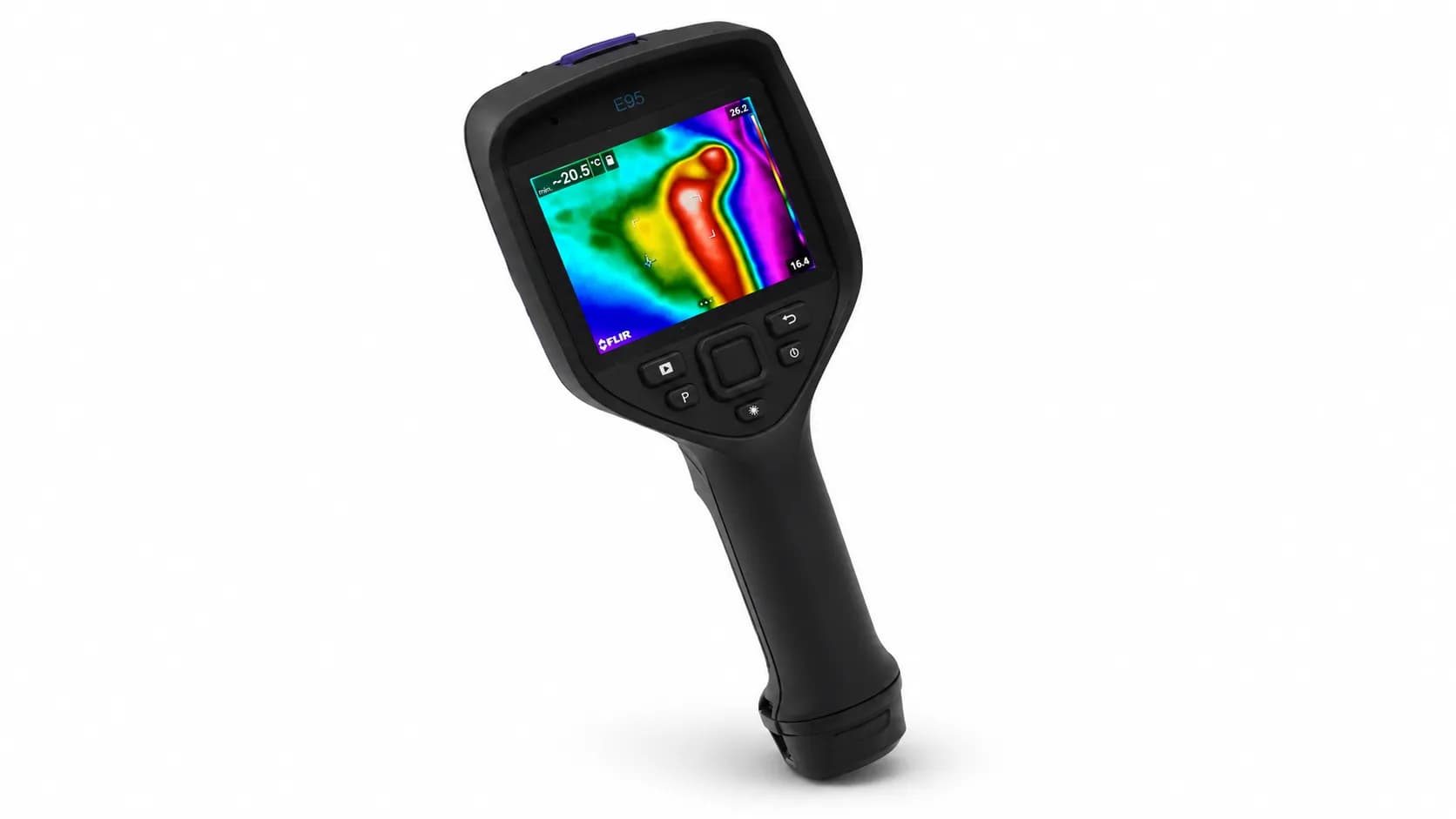
Thermal imaging is a non-invasive diagnostic tool that, through infrared images, reveals thermal bridges, water infiltration, heat loss, insulation anomalies, paths of radiant systems and electrical anomalies — with no demolition and completely non-disruptive to occupants. We use professional FLIR thermal cameras with sub-30 mK sensitivity and 640×480 px resolution, capable of documenting temperature differences below one degree. Results are delivered as a professional thermographic report, usable for energy audits, post-construction disputes, insurance claims, party-appointed technical appraisals and — on request — with sworn certification.
Main applications
Energy diagnostics on residential, commercial and industrial buildings to identify thermal losses and bridges before and after energy retrofit interventions; hot water leak detection on radiant underfloor and wall panels, where thermal imaging is by far the most effective technique; verification of correct installation of thermal insulation after internal or external retrofit work; localisation of water infiltration and rising damp; inspection of electrical panels and HVAC systems for load anomalies, overheated components or loose connections; tightness verification of waterproofing membranes on flat roofs and terraces; detection of hidden damp cavities and technical voids.
How a thermographic inspection works
We ideally work with a significant thermal differential between indoor and outdoor (cold days or strong day-night temperature swings). Before the inspection we agree the optimal operating conditions with the client. The thermal camera records surface temperatures in a typical range from -20°C to +150°C, and the subsequent analysis — performed by qualified personnel at Level 1 or 2 per UNI 9712 — interprets the images relative to the building's stratigraphy, plant locations and ambient conditions at the time of the survey. We deliver a professional thermographic report with technical description of every anomaly, severity level and operational guidance for resolution.
What's in the report
For each detected anomaly: thermal image paired with the visible-light photo, indication of minimum/average/maximum point temperatures, hypothesised cause (leak, thermal bridge, missing insulation, damp cavity), severity rating and operational recommendation. The report also includes an introductory section with ambient conditions at survey time, instruments used and calibration certificate, and a closing section with summary and intervention priorities.
Where we operate
Our operative base is in Casale Monferrato (AL). We operate throughout northern Italy — Piedmont (Turin, Alessandria, Asti, Cuneo, Vercelli, Novara), Lombardy (Milan, Bergamo, Brescia), Aosta Valley, Veneto (Venice, Verona, Padua), Liguria (Genoa, Savona, La Spezia), Emilia-Romagna (Bologna, Modena, Parma) — and on request also in France and Switzerland with agreed response times. Our logistics keep a single dedicated technical crew on site from initial survey to intervention completion, avoiding handovers between teams and ensuring continuity throughout the job.
Need an intervention or a quote?
We answer 24/7. Call us or request a free survey.
Frequently asked questions
Does thermography really find hot water leaks?
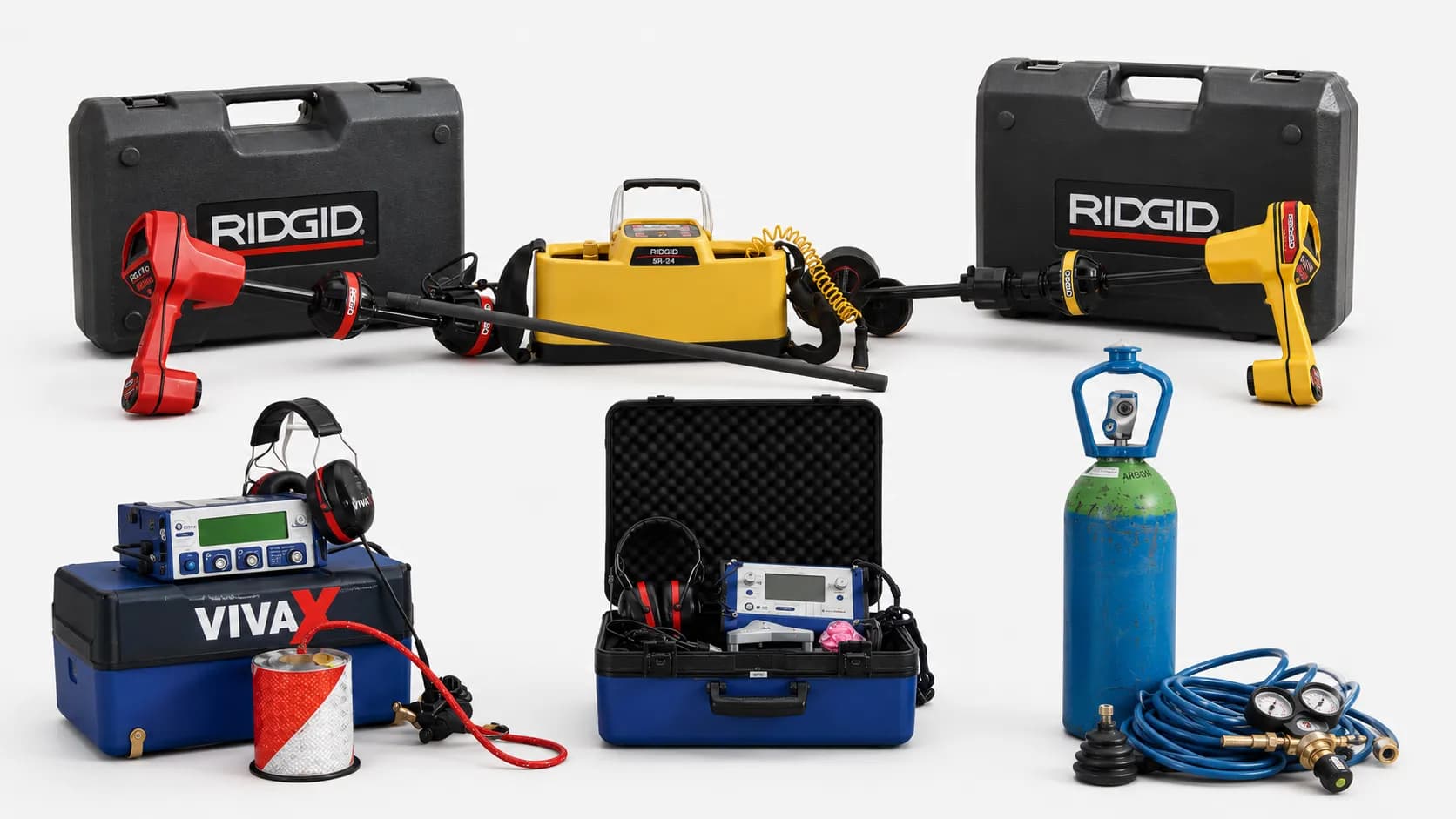
Yes — and it is one of the fastest methods: a leaking radiant panel or hot pipe draws a clear thermal signature on the floor that the camera can read. For cold water leaks, geophones and tracer gas are more effective because the thermal differential is too small.
Can I use your report for a dispute?
Yes, our reports are technical documents usable for insurance, condominium and — on request, with sworn certification — judicial use. We regularly work with court-appointed and party-appointed experts.
What are the ideal conditions for thermography?
Overcast or nighttime sky, thermal differential of at least 10°C between inside and outside, no strong wind and no direct sun on the surfaces. On radiant systems heating must have been on for at least 4 hours before the survey.