
Water infiltration diagnosis
Water travels where it wants. We know where it starts.
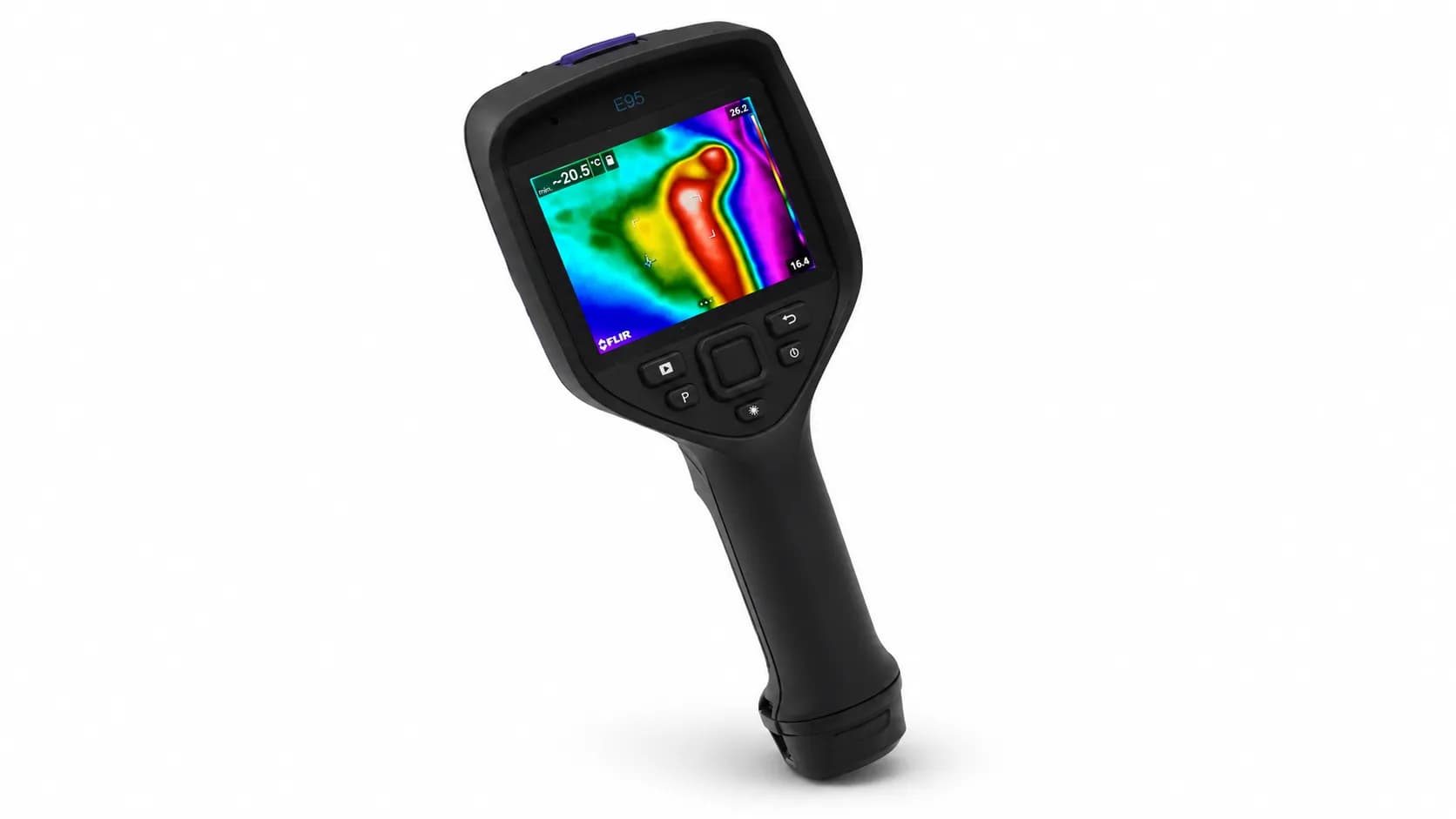
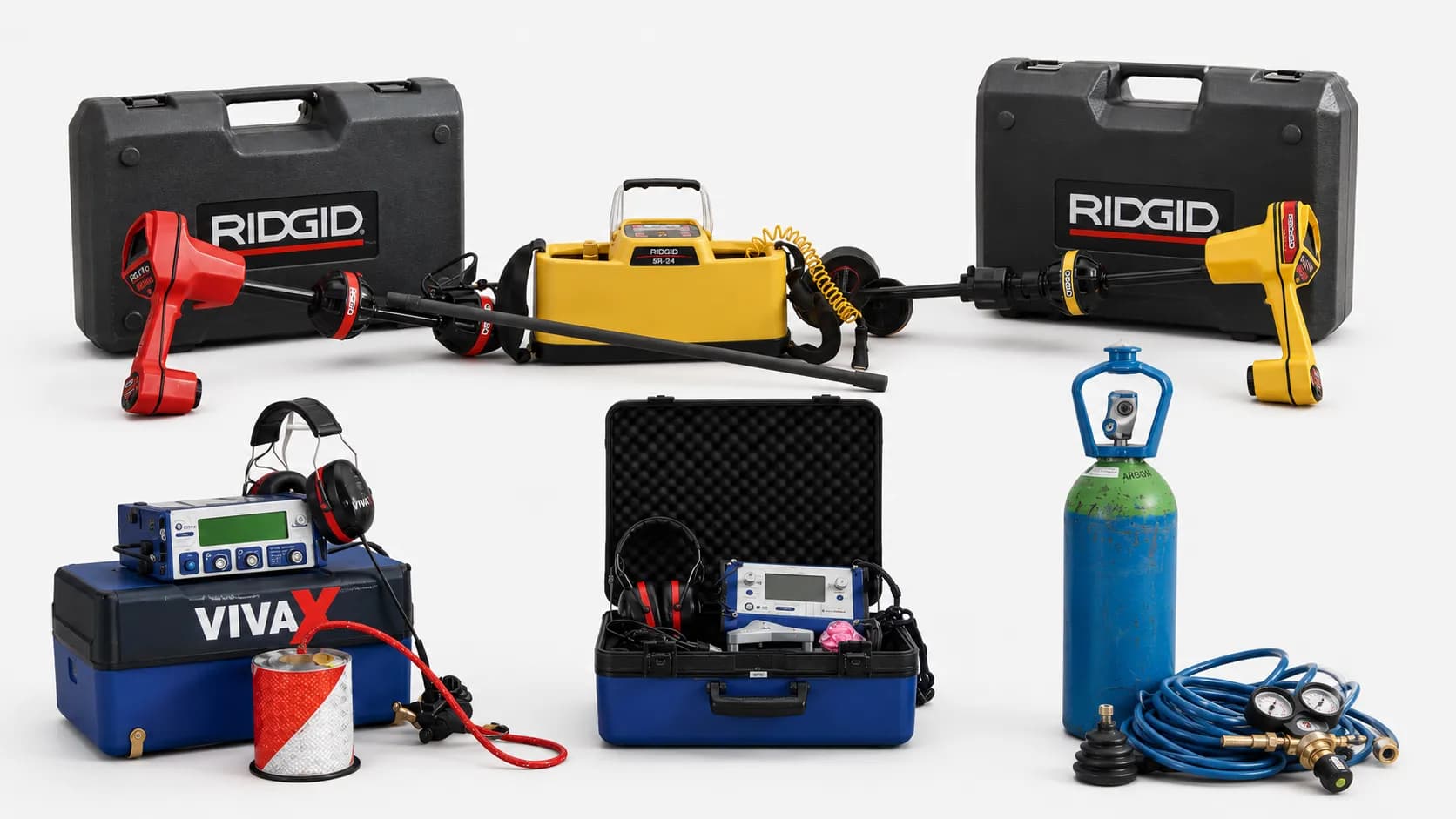
Water infiltration is hard to diagnose because the visible point — the ceiling stain, the mould in the corner — rarely coincides with the entry point. Water follows capricious paths inside cavities, along beams and battens, under deteriorated membranes. We combine high-sensitivity thermography, controlled flood testing of the roof or terrace, inert smoke generators to verify membrane integrity and endoscopic inspection of cavities and technical voids to reconstruct the water path and pinpoint the exact entry. We work both in emergency mode (active leak in progress) and in preventive diagnostic mode.
Most frequent causes
Damaged or deteriorated waterproofing membranes on terraces and flat roofs (over 60% of cases); poorly installed or corroded flashings, especially around projections (downpipes, antennas, skylights); missing sealing on joints between prefab panels; window infiltration due to incorrect installation or weatherstrip degradation; rising damp from retaining walls due to absent drainage or chemical break; interstitial condensation mistakenly diagnosed as infiltration (a common error in post-retrofit buildings). Correctly distinguishing the cause is the first step toward a repair that lasts instead of returning at the next rainfall.
Investigation method
Initial on-site review with the client to reconstruct the phenomenon's history (when it appears, in which weather conditions, evolution over time). Thermography to identify active wet zones and reconstruct the extent of the damp front even under visible surfaces. Controlled flood testing of the roof or terrace to reproduce the phenomenon and locate the entry. Inert smoke generator to verify the integrity of membranes, flashings and passing flues. Endoscopy to inspect cavities, technical voids, attics and externally inaccessible gutters. We coordinate with the client and — when needed — with condominium or opposing-party technicians.
Diagnostic outcome
Documented identification of the water entry point with visible-light and thermal photo evidence, reconstruction of the internal path followed by water from the external surface down to the visible stain, technical classification of the cause (original installation error, normal end-of-life material deterioration, exceptional event such as hail or freeze, recent third-party intervention), operational guidance for resolution (targeted repair, partial membrane replacement, flashing or gutter intervention, structural fix). All material is structured for use in condominium disputes, insurance claims, party-appointed expert appraisals or civil litigation, with sworn certification available on request.
Where we operate
Our operative base is in Casale Monferrato (AL). We operate throughout northern Italy — Piedmont (Turin, Alessandria, Asti, Cuneo, Vercelli, Novara), Lombardy (Milan, Bergamo, Brescia), Aosta Valley, Veneto (Venice, Verona, Padua), Liguria (Genoa, Savona, La Spezia), Emilia-Romagna (Bologna, Modena, Parma) — and on request also in France and Switzerland with agreed response times. Our logistics keep a single dedicated technical crew on site from initial survey to intervention completion, avoiding handovers between teams and ensuring continuity throughout the job.
Need an intervention or a quote?
We answer 24/7. Call us or request a free survey.
Frequently asked questions
Do you also carry out repairs or just diagnose?
Both. We can limit our intervention to the diagnostic report for your condominium or insurance, or perform the restoration directly with our operators and certified materials.
What's needed for the analysis to be effective?
Ideally the infiltration should still be visible or reproducible (e.g. by flood testing). On episodic and already fully dried phenomena the diagnostic margin is reduced, but thermography often still reveals residual damp traces.
How long does a diagnostic intervention take?
From a few hours (simple case, well-localised entry) to a full day (large terrace with multiple potential entries, complex cavities).